
Ten Years Ago, AlleyBoy Put Edgewood and Duct Tape on his Back.
Atlanta’s ascent into rap music stardom began in the early 2000s with artists like Ludacris, T.I., and Jeezy and hit its peak in the 2010s with artists like Future, Young Thug, the Migos, and more. The various sounds and musical movements from the dance and swag era sounds dominated the radio and helped bring attention to projects like Future’s 2011, Dirty Sprite, and the Migos’ YRN, but one of Atlanta’s most important musical movements and projects often get ignored.
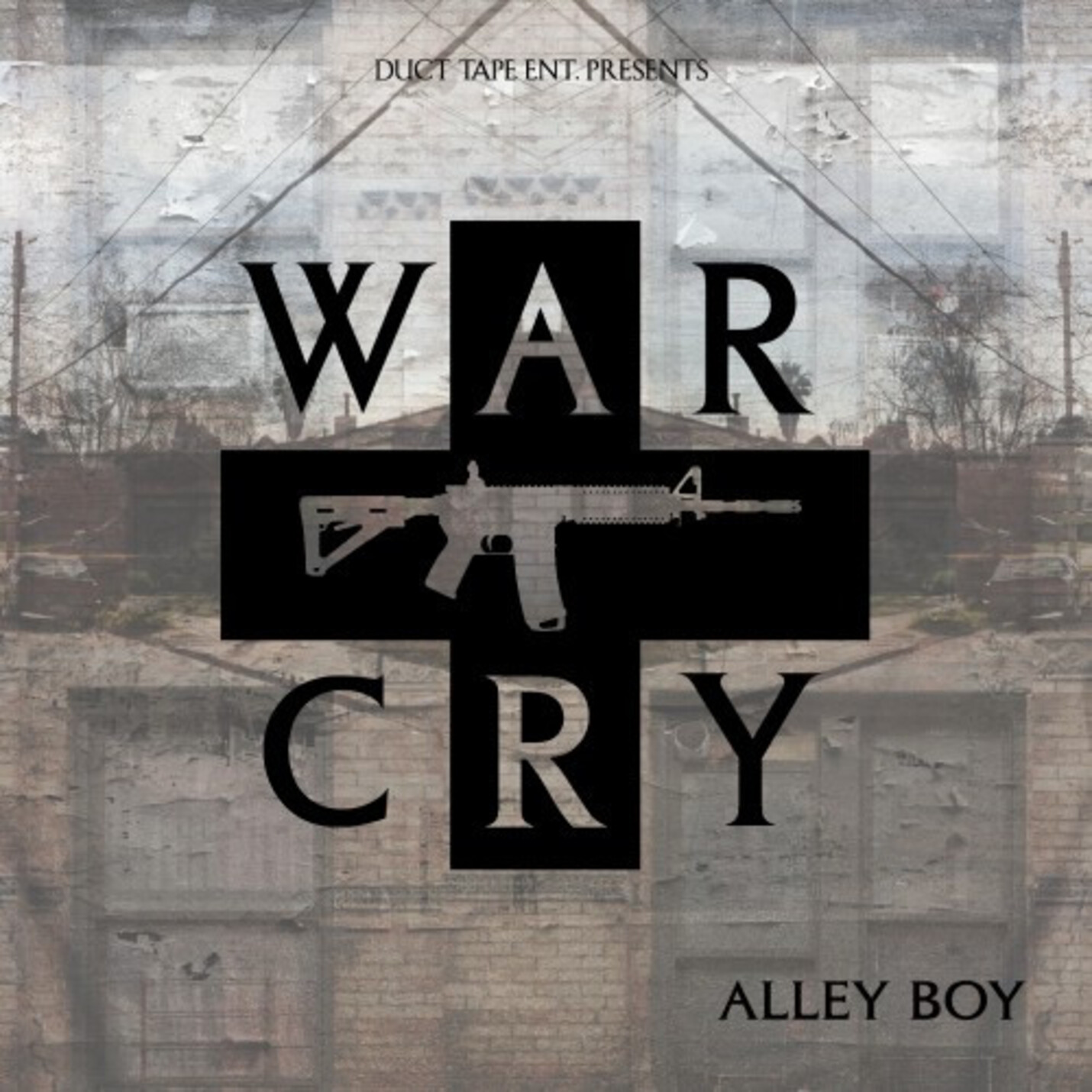
Edgewood’s prince, AlleyBoy, the marquee artist on Big Black’s label Duct Tape, used his 2013 release, War Cry, to not only elevate his label and career but also to put the world on notice that he was Atlanta’s true voice. Dropping his project in the midst of a publicized battle with T.I., he held his ground and delivered a project that catered to his street audience and his growing online fanbase.
I Want In
Atlanta rap was in a much different place in 2013, full of commercially viable rappers like Jeezy and T.I. and artists establishing their presence like Travis Porter and 2 Chainz. What many didn’t see however was a group of hungry talented artists elevating a new upstart label known as Duct Tape Entertainment. Coming out of East Atlanta’s Edgewood neighborhood under the Atlanta figure, Big Bank Black, the label became a powerhouse in the city and earned a label deal with Atlantic Records in the summer of 2010.
When asked how they were able to do so, Black described their street presence in an interview, saying
“It was the streets, like the streets backed us up 100%. Like at the end of the day we just killed the streets, stayed on all the street corners. Alley had a big buzz because you know he’s real lyrical. Like everybody knows of him. All the big artists and s**t know of him and he was just Atlanta’s best-kept secret.”
AlleyBoy’s original projects, Definition of F**k S**t, and Nigganati helped elevate his name, including songs like “Four” feat Jeezy and Yo Gotti, and “Rob Me a N**a” feat Freddie Gibbs, but the attention generated from his PSA and video, “I Want In” is what set the stage for War Cry.
Angered by what he viewed as gatekeeping as well as at the direction of the city’s music landscape, Alley responded and released what may be arguably his best work. In an interview with Fader, he spoke about his motivation for the song, saying,
“ I’m not dissing them. I’m a street motherfucker. But we’re all rappers at the end of the day, so I’m just exercising the sport. It’s just me, freedom of speech. I’m just expressing how I feel and separating myself from everything else in Atlanta.”
Intro
From the beginning of the album to the outro, Alley presents a spotless case for his team and shows his ability to be vulnerable, aggressive, and reflective. The album’s intro explains the inspiration behind the title when he says, “N****s sneak dissing, and won’t say your name, that’s a war cry. If they’ll say it on wax, but won’t say it to your face it’s a war cry.”
A nod to the ongoing conflict between his camp and T.I., the album became his answer and in a sense audition to the world.
“Gutter raised, all my uncles gone off the dope,
All them cocaine babies from the 80s, now we cut throat.
I’m just a product of my environment, you can see that I’m gone,
Cold sweats up late night, reading my Bible alone.”
The ending bars, in which Alley promises to “spit on the grave of any n****a who said Fuck Lil Curt”, reflect the chip on his shoulder he adopted because of the extreme poverty he endured coming up off Mayson Avenue.
Alley’s 50 bars set the album up correctly, showcasing the parts of his skillset people often miss because of his persona. “Hate in Dey Face”, the second song from the album and the following track, See the Signs, complement each other well, and serve as cautionary tales of what the streets offer all its followers.
“Gift of discernment I see the signs clear,
Same n****s hating and wanting to kill me was cool last year.
N****s they like when I was broke, but I’m like this here,
Came from the bottom, so every day we wearing cashmere.
I see the hate in they face, every smile ain’t a happy face,
Soon as you die they gon take your place.”
Known for his braggadocio and intimidation, these songs help humanize him and present the picture of a man who’s honest about his mortality and not above the treacherous nature of the streets. From there, Alley lays out a nearly flawless album, packed with uplifting singles like “All I Do” feat Big Black, “Money Counter” feat Young Scooter, and “For My N****as” feat Future, and heartfelt songs like “No Love” featuring Yo Gotti.
Throwing Up, a nod to his label and the various street organizations he represented, embraces Alley’s authentic appeal to people all over the country who saw his image as a true representation of the have-nots.
“You know what I’m throwing up, DTE ain’t switched up,
Same young n***a with no shoes, mama on dope when he growed up.
Rose from the concrete, project n***a on tv watch me,
Dare a n***a try me, 100 shooters coming to your door HD.
For My N****s
Alley’s ability to make songs with varied guests from Master P, Future, and more shows his versatility. His commitment to making street music at a time when the city’s original talent was evolving helped give hope to a younger generation of Atlanta street artists that followed. Artists like Alley, Trouble, Gucci Mane, Young Scooter, CyHi the Prynce, Rocko, and Future, for example, helped raise the profile of East Atlanta which allowed newer artists like Rich Homie Quan, 21 Savage and later JID to create their own movements.
His choice to not copy the music being made in its time and instead focus on mastering his lane is why only real Atlanta rap fans will know and remember the project. War Cry sets itself apart in its ability to defy the music of its time.

 Wright World